
A student visa is a special endorsement added to a government passport issued to students enrolled at qualified educational institutions.Student visas are non-immigrant visas that do not require the holder to obtain citizenship.Any prospective student seeking higher education in another country must obtain a student visa from that country.
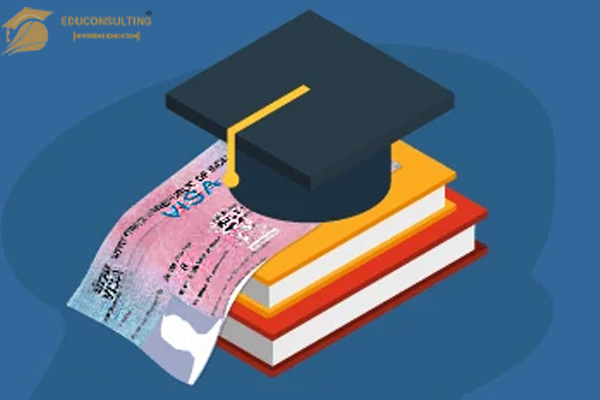
If you are planning to pursue your higher studies, be it graduation or post-graduation, Europe is the destination you should look for.The benefit for the students of this structure is direct. If you wish to pursue another course in a different European University, the system facilitates secure direct enrollment as grades and marks are pen downed in the same format.Each country in Europe has a different education system but compatible with each other.
All countries in Europe have specific visa requirements for students. At times it depends on the nature of the course, the time duration of the study programme, etc.
These are just a few requirements shared for reference. You can get in touch with EduConsulting team to have a detailed list of requirements to apply for Student Visa for Europe.
You can apply for a Student visa to study in the UK if you’re 16 or over and you:
Always have in mind that visa restrictions and requirements in the UK change regularly. Therefore, you must always check the official visa policy guidelines before initiating an application.
If you want to find out what are the requirements for different types of visas, contact us.
There are limitations and requirements related to foreign (F-1) students attending public secondary/high schools (grades nine through twelve), under U.S. law. Student F-1 visas cannot be issued to persons seeking to enter the United States in order to attend a public primary/elementary school or a publicly funded adult education program.
Dependents of a nonimmigrant visa holder of any type, including F-1, are not prohibited from attendance at either a public primary school, an adult education program, or another public educational institution, as appropriate.
Secondary school attendance is limited to twelve months.
F-1 secondary school students are required to pay the school the full cost of education by repaying the school system for the full, unsubsidized, per capita cost of providing the education to him or her.
F-1 students are prohibited from attending public elementary schools or publicly-funded adult education programs.
The Canada study visa will only allow you to start your studies in Canada at what are called Designated Learning Institutions (DLI). To keep the Canada study visa, you must fulfill these conditions:
Always be enrolled in a DLI.(DLIs are schools or universities which are approved by the provincial or territorial government to allow them to host international students.)
Meet the requirements of the student visa.
Leave Canada once your study permit expires.
The study permit will not allow you to get Canadian issued documents or Canadian government benefits such as health benefits. It will however create an easier path for you to be able to apply for a Canadian citizenship if that is your goal.
When you complete the forms, you will also have to submit the following supporting documents:
Your passport scan to prove that it is valid.
Your employment or education status through a resume or diplomas.
Proof that you can cover the expenses of studying in Canada (tuition and living costs).
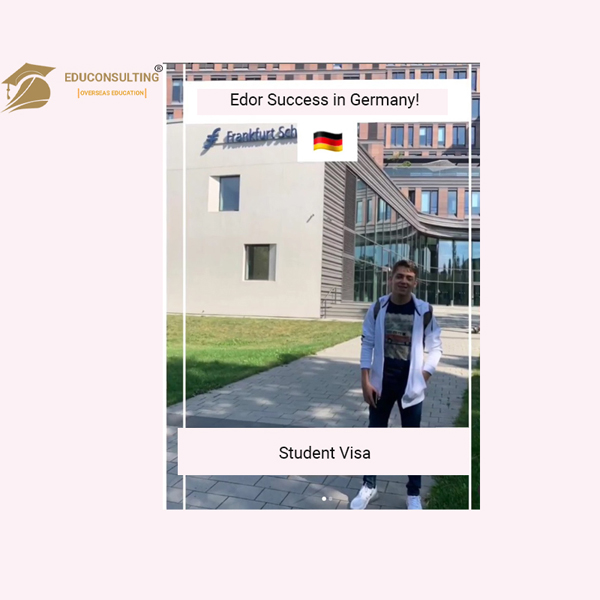
Edor, student with great academic results.He began his Bachelor of Business Management at one of the best universities for business in Germany.
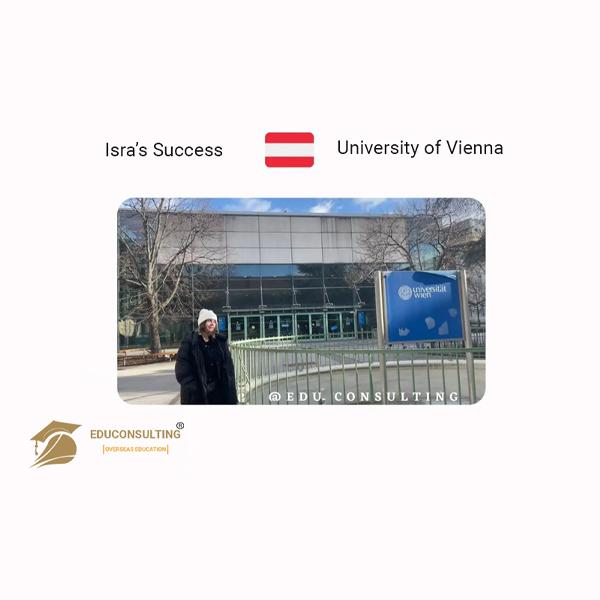
Isra, former student of the school Faik Konica.Follows bachelor studies in Vienna in Business Informatics.
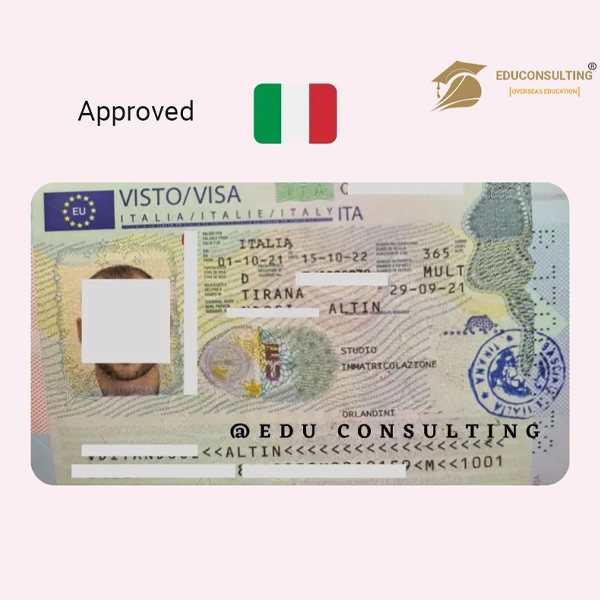
Altin, follows his master's studies in mechanical engineering at Padova University .
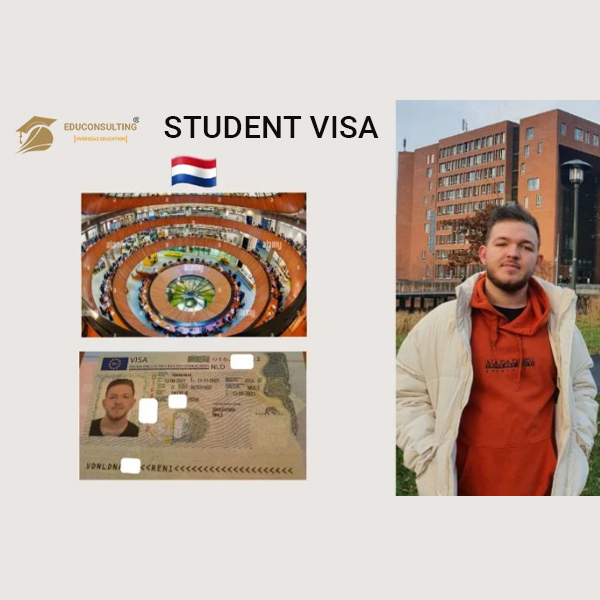
Reni completed his studies with excellent results at Petro Nini Luasi High School in Tirana.He applied and began his studies at Animal Science at Life Science & Research University in Holland.

Rruga e Durresit,
Perballe Rruges se Ambasadave, Tirane
info@educonsulting.al
+355(0) 67 73 72 821
© EDUCONSULTING - All Rights Reserved
Designed by ~ Megi Deliallisi